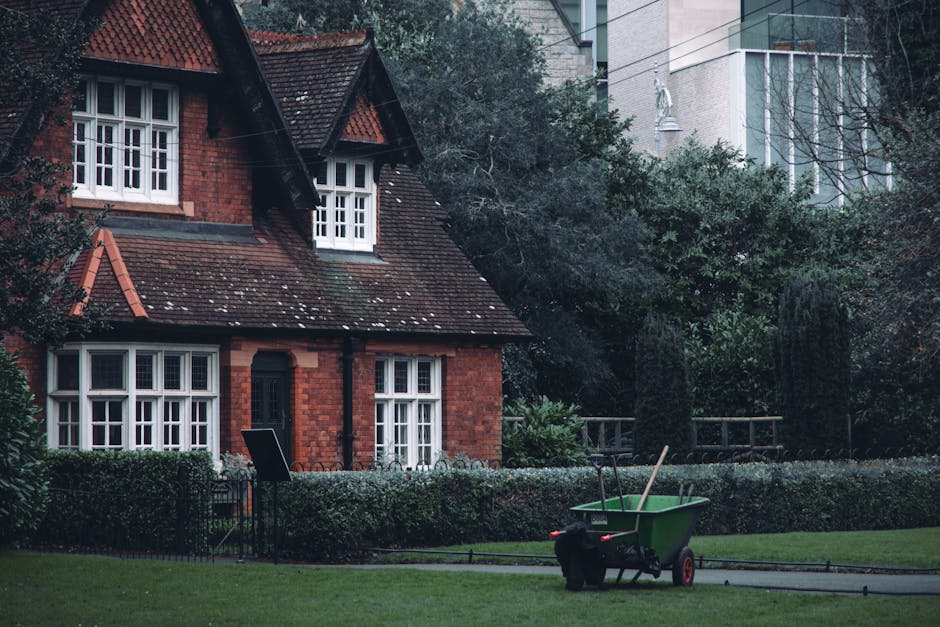
Plumstead Manor estate top gardening services for communal beds
Communal beds can make a housing estate feel cared for, welcoming, and a little more lived-in in the best possible way. But they also need steady attention. When borders are full of weeds, shrubs are half-pruned, or seasonal planting has gone a bit ragged, the whole place can feel tired. That is where Plumstead Manor estate top gardening services for communal beds come in: not as a luxury, but as the practical backbone of good estate presentation and healthy planting.
Whether you manage a block, sit on a residents' committee, or simply want the shared spaces to stop looking forgotten, this guide breaks down what good communal bed care actually involves, how the work is usually organised, and how to choose a service that feels reliable rather than flashy. Let's face it, the best gardening work often looks effortless. It rarely is.
Contents
- Why communal bed care matters on Plumstead Manor estate
- How the service works in practice
- Key benefits and practical advantages
- Who this is for and when it makes sense
- Step-by-step guidance
- Expert tips for better results
- Common mistakes to avoid
- Tools, resources and recommendations
- Law, compliance, standards, and best practice
- Options, methods, and comparison table
- Case study or real-world example
- Practical checklist
- Conclusion
- Frequently asked questions
Why Plumstead Manor estate top gardening services for communal beds Matters
Shared beds are not just decorative. They shape how people experience the estate every day. A well-kept entrance bed or central border quietly tells residents and visitors that the place is cared for, and that matters more than people sometimes admit. If you live nearby, you notice it in small ways: the smell of damp soil after rain, the neat line of mulch, the way a path edge suddenly feels wider when weeds are pulled back.
On an estate like Plumstead Manor, communal planting also has a social job to do. It softens hard landscaping, brings a bit of colour through the year, and helps prevent the "someone else will sort it" problem that shared spaces can fall into. Once that happens, beds can decline quickly. Weeds seed, shrubs become leggy, and the whole area starts to look like it is waiting for someone else's decision.
Top gardening services for communal beds matter because they bring consistency. Not just a one-off tidy-up, but a routine that keeps the space stable across seasons. That includes pruning, weed control, edging, soil care, plant replacement where needed, and waste removal. Done well, it protects the investment already in the planting scheme and reduces the need for expensive rescue work later.
There is also a practical safety side. Overgrown beds can obscure sightlines near entrances, footpaths, bike stores, and parking areas. Lower, maintained planting helps keep spaces open and usable. For many estates, that is the difference between "nice enough" and genuinely well-managed.
How Plumstead Manor estate top gardening services for communal beds Works
Good communal bed maintenance usually starts with an assessment. What is planted already? What is surviving? What is failing because of shade, drought, foot traffic, compacted soil, or plain neglect? A proper gardener does not just cut things back and call it done. They look at the bed as a system.
In practice, the work often falls into a rhythm. Some tasks are frequent, like weeding and light litter removal. Others are seasonal, such as mulching in spring, cutting back perennials at the right time, or refreshing annual displays. More structural work might happen less often, for example replanting tired sections or reshaping overgrown shrubs.
If you are arranging services for residents, management, or a private estate, it helps to think in layers:
- Routine care - weed control, tidying, deadheading, sweeping spillages from paths, and keeping beds presentable.
- Seasonal tasks - pruning, dividing perennials, mulching, planting, and soil improvement.
- Recovery work - clearing abandoned beds, replacing dead plants, and correcting poor layout or overcrowding.
Many estates also benefit from integrated services rather than isolated visits. For example, communal beds often sit beside lawns, hedges, or small landscaped corners. Coordinating with regular garden maintenance, hedge trimming, or lawn mowing means the whole space feels joined up, not pieced together in bits.
A good service should also be clear about logistics. Who provides access? What happens with green waste? Can work be timed to avoid busy resident periods? Simple questions, but they matter. A tidy result can be spoiled pretty fast if the aftercare is chaotic.
Key Benefits and Practical Advantages
For communal beds, the benefits of professional gardening are both visual and operational. You get the obvious improvements first: cleaner edges, fewer weeds, healthier plants, and a more settled look. But the less obvious gains are often the ones residents notice over time.
- Better first impressions - shared spaces feel calmer and more cared for.
- Lower long-term costs - small, regular interventions usually cost less than periodic full-scale recovery.
- Healthier planting - correct pruning and soil care help plants last longer.
- Less resident friction - a clear maintenance plan reduces complaints and uncertainty.
- Improved safety and access - paths, doors, and sightlines stay open.
- Seasonal variety - beds can be planned to look good across the year instead of peaking for one week in May and then giving up.
There is a small but real morale boost as well. People tend to treat well-kept spaces more carefully. A clean border is less likely to become a dumping ground for cuttings or litter. Not always, of course - human beings are messy creatures - but enough to make a difference.
Another advantage is flexibility. If one bed has deep shade and another gets blasted by sun all afternoon, the service can adapt. That might mean drought-tolerant planting in one zone and moisture-retaining mulch in another. This is where experience shows. The best gardeners do not apply the same routine everywhere and hope for the best.
Who This Is For and When It Makes Sense
These services make sense for anyone responsible for shared planted areas. That includes resident associations, property managers, landlords, housing groups, and private estates. If there is more than one household using the space, maintenance quickly becomes a coordination issue, not just a gardening one.
You might especially need help if:
- the beds have become unevenly maintained over time;
- residents disagree about what should be planted or cut back;
- there are recurring weeds, brambles, or self-seeded trees;
- the planting looks tired after winter or summer drought;
- the current arrangement is hard to maintain with limited volunteer effort;
- you need a more polished appearance for visitors or potential buyers;
- there are safety concerns near paths, corners, or entrances.
It also makes sense when an estate has good bones but needs steady attention rather than a redesign. In that case, you may not need full landscaping. You may just need regular care, some sensible replanting, and a gardener who knows when to prune and when to leave things alone. That judgement is worth a lot.
If the beds need larger structural changes, it can be sensible to combine maintenance with landscaping support or landscape gardening. And if the area has been neglected for a while, garden clearance may be the right starting point before any regular programme begins.
Step-by-Step Guidance
Here is the practical route most estates follow when they want communal beds brought back under control and kept that way.
- Assess the current condition. Walk the beds in daylight and note weeds, dead growth, damaged edging, compacted soil, poor drainage, and access issues.
- Decide the maintenance level. Some beds need monthly attention; others need a seasonal plan. Be realistic. A low-budget plan that is too ambitious usually falls apart by midsummer.
- Separate routine care from recovery work. If there is overgrowth or debris, get the area back to a manageable baseline first.
- Agree the planting approach. Keep what works, remove what does not, and consider shade, sun, and footfall before adding new plants.
- Set a schedule. Weekly, fortnightly, or monthly visits should match the growth rate of the beds and the estate's expectations.
- Plan waste handling. Green waste should be removed cleanly and responsibly, not left in bags by the bins for three days because nobody fancied lifting them.
- Review after the first cycle. Check what improved, what was missed, and whether the workload estimate was accurate.
A good rule of thumb: start with the space in front of you, not with an idealised version of what you wish it were. Communal beds improve faster when the first job is honest and practical.
Expert Tips for Better Results
If you want the beds to look good for longer, a few habits make a disproportionate difference.
- Use mulch where it is appropriate. It helps suppress weeds, keeps moisture in, and gives beds a finished look. It also saves people from the "why does this border look bald?" conversation.
- Keep pruning light and timely. Over-pruning can leave communal beds sparse and stressed. The goal is structure, not punishment.
- Choose resilient plants. Estates often need plants that can cope with variable attention, reflected heat, patchy shade, and occasional trampling by the occasional distracted visitor.
- Edge regularly. A crisp edge quietly elevates the whole space. Funny how such a small thing changes everything.
- Match planting to maintenance capacity. There is no point installing a high-maintenance scheme if nobody has time to support it properly.
- Keep a simple record. A brief note of what was planted, cut back, or replaced helps whoever manages the site next season.
One more thing. If the estate has a mix of elderly residents, families, and busy commuters, the planting should be robust enough to handle real life. Beautiful is great. Durable is better. Usually both is the sweet spot.
Common Mistakes to Avoid
Communal beds often go wrong in the same familiar ways. Avoid these and you are already ahead of many sites.
- Waiting until the beds look bad. Reactive maintenance is more expensive and harder to manage.
- Using the same approach all year. Spring, summer, autumn, and winter each need different work.
- Overcrowding plants. It may look full at first, but it can create disease, competition, and weak growth.
- Ignoring drainage and soil condition. Plants struggle for reasons that are not obvious on the surface.
- Assuming residents want the same thing. Some want neat and formal; others want softer, wildlife-friendly planting. Ask first.
- Neglecting waste removal. Even a tidy cutback looks messy if clippings are left behind.
- Choosing services on price alone. Cheap can be fine, but only if the scope is clear and the work is actually done properly.
Honestly, the biggest mistake is often confusion. If nobody knows what the service includes, the beds become a shared disappointment. Clear expectations solve a surprising amount.
Tools, Resources and Recommendations
For communal bed work, the right tools matter because they shape both quality and speed. A professional team will usually bring hand tools for detail work, cutting tools for pruning, edging equipment, barrows or bags for waste, and protective gear suited to the task.
From a planning perspective, the most useful "resource" is actually a simple site plan. Nothing fancy. Just a note of bed locations, access points, planting types, and any restrictions. This helps reduce mistakes, especially where several people are responsible for different parts of the estate.
It can also help to tie in services that support the whole environment. For example:
- use garden maintenance for ongoing bed care and seasonal upkeep;
- use lawn mowing if turf areas need to sit neatly alongside the planting;
- use hedge trimming where hedges frame or shade the communal beds;
- use tree lopping and removal only where trees are causing genuine problems and need specialist attention.
For estates considering broader improvements, services overview pages are often useful because they help people see how maintenance, clearance, and landscaping fit together without assuming everything has to be done in one hit.
And if budget planning is on your mind, pricing and quotes is a sensible place to start before any work is booked. Better to know the shape of the numbers early than to have a cheerful surprise later - and not the good kind.
Law, Compliance, Standards, or Best Practice
For communal beds, compliance usually means being careful, sensible, and properly documented rather than drowning in paperwork. In the UK, estates and managing agents commonly need to think about health and safety, safe access, waste handling, and contractor insurance. The exact obligations depend on the site and who is responsible for the work, so it is worth checking your own arrangements rather than relying on assumptions.
Good practice usually includes:
- making sure contractors are insured for the work they are carrying out;
- keeping paths and entrances reasonably clear during visits;
- using tools and access methods suited to the site;
- removing arisings and waste safely;
- avoiding rushed pruning near pedestrians, parked vehicles, or glass;
- recording any known hazards, such as uneven ground or hidden utility covers.
If you are appointing a provider, it is sensible to ask how they approach safety and site care. Pages such as health and safety policy and insurance and safety can help you understand what a responsible provider should be thinking about before they arrive with tools in hand.
Recycling and disposal also matter. A good team should aim to reduce avoidable waste and dispose of green material properly. If sustainability is important to your residents, you may also want to ask how arisings are handled and whether reusable materials are separated where possible. The details are not glamorous, but they count.
For transparency and general site governance, it is also reasonable to review the provider's terms and conditions, payment and security, and recycling and sustainability information. That is just good housekeeping, really.
Options, Methods, or Comparison Table
There is no single right way to care for communal beds. The best option depends on the condition of the space, the budget, and how much consistency the estate needs.
| Approach | Best for | Strengths | Limitations |
|---|---|---|---|
| Ad hoc tidy-ups | Very small sites or occasional reset work | Simple to arrange, low commitment | Often allows weeds and decline to return quickly |
| Seasonal maintenance visits | Sites with moderate planting and clear seasonal change | Good balance of cost and appearance | Needs clear timing and scope |
| Regular maintenance programme | Established estates that need consistent standards | Best for presentation, plant health, and long-term control | Requires ongoing budget and oversight |
| Clearance plus replanting | Neglected or overgrown communal beds | Creates a clean restart and fresh layout | Higher upfront effort, sometimes more disruption |
If you are unsure where to begin, a regular maintenance programme is usually the most stable route once the beds have been brought back to a workable condition. If the area is badly overgrown, though, clearance first is often the smarter move. Common sense beats optimism here, every time.
Case Study or Real-World Example
Consider a typical estate situation: the communal beds near an entrance have been looked after informally for months. One resident trims a shrub now and then, another pulls a few weeds, and the rest of the time the beds are left to cope on their own. By late summer, the borders are uneven. One section is full of vigorous growth. Another has bare patches and dead stems. The planting no longer looks planned.
A sensible response would not be to rip everything out. First, the beds would be assessed and tidied. Weeds would be cleared, dead material removed, and any plants clearly failing because of shade or poor soil would be noted. Overgrown edges might be cut back to restore shape. Then the bed would be simplified: plants that tolerate the site would be kept, weak performers replaced, and mulch added to help lock in moisture and suppress fresh weed growth.
What changes after that? Usually not magic. Just calm, reliable improvement. The beds begin to look intentional again. Residents stop stepping around the worst patches. The whole entrance feels less apologetic. And because a routine is in place, the space does not drift back to square one after a month or two.
That kind of improvement is often what people really mean when they ask for top gardening services for communal beds. Not perfection. Just a space that feels cared for, week after week. A small difference, but a meaningful one.
Practical Checklist
Use this checklist before you book or review communal bed maintenance.
- Have the beds been assessed in person?
- Is the work scope clear: weeding, pruning, planting, mulching, waste removal?
- Do you know how often visits will happen?
- Are access arrangements agreed?
- Have safety concerns been noted?
- Is there a plan for overgrown or neglected sections?
- Will green waste be removed responsibly?
- Are seasonal tasks included, not just a one-off tidy?
- Have residents' preferences been considered where relevant?
- Is the provider transparent about insurance, payments, and complaints?
Practical summary: if the answer to most of those questions is yes, you are probably on the right track. If not, slow down and get clarity before the work starts. It saves hassle later, and usually money too.
Get a free quote today and see how much you can save.
Conclusion
Plumstead Manor estate top gardening services for communal beds are about much more than making things look tidy for a day. They help shared spaces stay healthy, safe, attractive, and manageable over time. For estates, that means less decline, fewer complaints, and a better day-to-day experience for everyone who uses the space.
The strongest results usually come from a simple formula: honest assessment, realistic scheduling, careful planting choices, and steady follow-through. Nothing flashy. Nothing overcomplicated. Just competent, consistent care that respects the space and the people who live around it.
If you are planning improvements now, start with what the beds need most, not what would look impressive in a brochure. The right service will understand that. And when the borders start looking alive again on a quiet morning, that's a small lift you really do feel.
Frequently Asked Questions
What are communal bed gardening services on an estate?
They are regular or one-off maintenance services for shared planted areas such as entrance beds, border planting, and central estate features. The work usually includes weeding, pruning, planting, mulching, and waste removal.
How often should communal beds be maintained?
It depends on the planting, the season, and how visible the area is. Some beds only need monthly attention, while high-profile spaces or faster-growing planting may need more frequent visits. A seasonal plan is usually the best starting point.
Do communal beds need different care from private gardens?
Yes. Communal beds usually need more consistency, clearer access planning, and a stronger focus on neat presentation and safety. They also need maintenance that works for shared use, not just one household's preferences.
What should be included in a gardening quote for communal beds?
A good quote should explain the tasks covered, how often visits will happen, what waste handling is included, and whether any planting or recovery work is separate. If it is vague, ask for it to be broken down more clearly.
Can neglected communal beds be restored?
Usually yes, although the right approach depends on how overgrown or damaged they are. Some sites need clearance first, while others can be improved through pruning, weeding, soil work, and selective replanting.
What plants work best in communal beds?
It depends on light levels, foot traffic, and how much maintenance the estate can realistically support. Resilient, low-fuss plants are often the safest choice because they cope better with shared spaces and variable conditions.
How do I keep communal beds looking good between visits?
Mulch, simple planting schemes, and regular light maintenance all help. It also helps to avoid overcrowding and to keep weeds under control early, before they become stubborn. Tiny job, big payoff.
Is garden clearance needed before communal bed maintenance starts?
Sometimes. If the area is heavily overgrown, cluttered, or full of dead material, clearance is usually the best first step. Once the space is back under control, a regular maintenance plan works much better.
What safety checks matter for estate gardening work?
Common checks include access routes, uneven ground, nearby pedestrians, parked vehicles, tools in use, and waste handling. Insurance and clear working methods matter too, especially on shared sites.
How do I choose between maintenance and landscaping?
If the beds are basically fine but untidy, maintenance is usually enough. If the layout is poor, the planting is failing, or the space needs a redesign, then landscaping or landscape gardening may be more appropriate.
Can residents request changes to the communal beds?
They often can, but changes should be coordinated through whoever manages the estate. It is best to agree on a practical plan so the beds do not become a tug-of-war between different preferences.
What makes a gardening service reliable for communal beds?
Reliability usually shows up in the basics: clear scope, consistent visits, neat workmanship, sensible advice, and responsible waste removal. The best providers tend to be steady rather than dramatic, which is exactly what communal beds need.