Plumstead Station garden maintenance guide for small yards
If you live near Plumstead Station and your garden feels more like a clever compromise than a generous green space, you are not alone. Small yards can be charming, but they also ask for regular, thoughtful upkeep. This Plumstead Station garden maintenance guide for small yards is designed to help you keep things tidy, healthy, and manageable without turning every weekend into a slog.
Truth be told, small gardens punish neglect faster than bigger ones. A patch of moss, one enthusiastic shrub, and suddenly the whole yard feels crowded. The good news? With the right routine, a compact garden can look sharp all year and still feel easy to enjoy. Below, you will find practical steps, useful comparisons, and local-minded advice that fits the realities of London living.
Table of Contents
- Why Plumstead Station garden maintenance guide for small yards Matters
- How Plumstead Station garden maintenance guide for small yards Works
- Key Benefits and Practical Advantages
- Who This Is For and When It Makes Sense
- Step-by-Step Guidance
- Expert Tips for Better Results
- Common Mistakes to Avoid
- Tools, Resources and Recommendations
- Law, Compliance, Standards, or Best Practice
- Options, Methods, or Comparison Table
- Case Study or Real-World Example
- Practical Checklist
- Conclusion
- Frequently Asked Questions
Why Plumstead Station garden maintenance guide for small yards Matters
Small yards near Plumstead Station tend to have a few things in common: limited width, mixed light, hard surfaces, and not much spare storage. That combination makes maintenance less about grand landscaping and more about consistency. If a hedge gets leggy or a lawn is left too long between cuts, the whole space can start to feel cramped very quickly.
That is why a specific garden maintenance approach matters. A small yard needs more than generic tidying. It needs smart garden care that respects the scale of the space, the amount of sun or shade it gets, and the fact that every square metre has to earn its keep. You are not just maintaining plants; you are maintaining breathing room.
In practice, that means choosing plants that do not bully the yard, setting up easy access for pruning and watering, and keeping leaf litter, weeds, and overgrowth under control. A compact garden also needs cleaner edges than a larger one. A crisp line along paving, fence bases, or raised beds can make a surprisingly big difference. Simple, but effective. A bit like polishing your shoes before stepping out - small effort, noticeable result.
For homeowners, landlords, and busy renters alike, regular upkeep protects curb appeal, reduces avoidable plant stress, and makes the garden feel usable rather than cluttered. If you are planning to improve the space over time, it also gives you a far better base to work from. And that saves money later, which nobody complains about.
If you want help beyond this guide, you can explore the broader garden services overview to see how ongoing maintenance is typically structured for homes like yours.
How Plumstead Station garden maintenance guide for small yards Works
The maintenance model for a small yard is straightforward: observe, prioritise, and act before problems spread. That sounds obvious, yet it is where many gardens go off track. People wait until growth becomes messy, then try to fix everything in one afternoon. It rarely ends well.
Instead, the right approach works in short, repeatable cycles. You inspect the space weekly or fortnightly, deal with weeds and debris early, trim plants that are starting to encroach, and keep watering, feeding, and waste removal in a predictable rhythm. The yard stays in control, rather than the other way round.
In a Plumstead setting, weather can shift quickly enough to make a difference. After damp spells, moss and algae can creep onto paving. During dry stretches, containers may need extra watering because small volumes of compost dry out faster than border soil. Small spaces amplify small changes. That is the whole game.
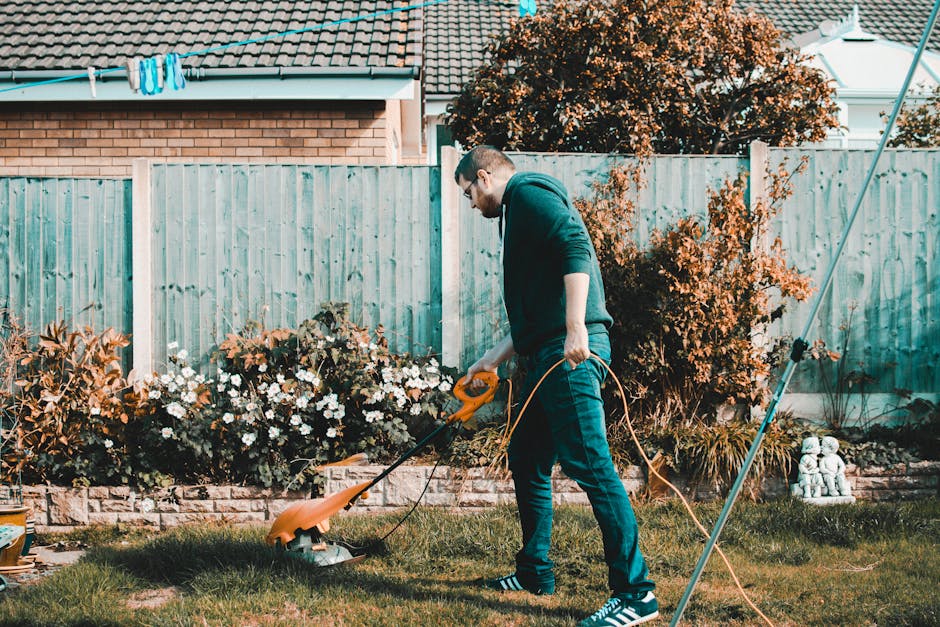
A good maintenance plan also considers access. Can you get a mower or trimmer into the yard easily? Is there enough space to compost clippings, or should green waste be bagged and removed? These are practical details, but they matter as much as plant choice. A beautiful yard that is awkward to maintain tends not to stay beautiful for long.
For clients who prefer help with upkeep rather than one-off rescue work, it is sensible to compare service scope and visit frequency before booking. You can review pricing and quotes guidance when deciding what level of support fits a small yard budget and schedule.
Key Benefits and Practical Advantages
Small-yard maintenance delivers more than neatness. Done properly, it changes how the whole space functions day to day.
- Better use of space: trimming back overgrowth and keeping layouts simple makes the yard feel larger.
- Less pest and disease pressure: regular clearance helps reduce damp pockets, dead material, and hidden trouble spots.
- Safer surfaces: moss, algae, and wet leaves are less likely to build up on paths and steps.
- Lower long-term effort: frequent small tasks are easier than emergency catch-up jobs.
- Improved plant health: pruning at the right time keeps shrubs and climbers balanced instead of tangled.
- More usable outdoor time: a tidy yard is simply more inviting for morning coffee, a quick sit-down, or a child's playtime.
There is also a practical money angle. Letting a compact garden drift into overgrowth often means more labour later, more waste to move, and sometimes replacement planting where simple maintenance would have been enough. To be fair, that is true of most gardens, but small yards make the costs feel immediate because there is nowhere for the mess to hide.
Another advantage is visual calm. A small yard can look busy very easily, especially if it contains lots of materials, pots, and layers. Careful maintenance reduces visual noise. You notice the shape of the space again. The paving reads cleanly. The planting looks intentional, not accidental.
Who This Is For and When It Makes Sense
This guide is especially useful if you have a modest back garden, side return, courtyard, or compact front space near Plumstead Station. It also suits anyone with a small outdoor area that needs regular care but not a full redesign.
You may benefit from this approach if you are:
- a homeowner trying to keep a narrow yard presentable without constant effort
- a landlord wanting an outdoor space to stay tidy between tenancies
- a busy professional who can manage some upkeep but not a full garden overhaul
- a renter with permission to maintain planting, containers, or paving
- someone with limited storage who needs maintenance to be low-fuss and realistic
It makes sense when the garden is already in decent shape but needs ongoing attention. If the space is heavily overgrown, waterlogged, or structurally tired, maintenance alone may not be enough at first. In those cases, a reset is usually smarter. A small yard can hide a lot, but not forever.
It also makes sense if you enjoy the garden but do not enjoy the churn of constant chores. Some people want the joy without the chaos. Fair enough. That is exactly where routine maintenance earns its keep.
For anyone considering a professional visit, it helps to understand the team behind the work. The company's about us page can give useful context on service style and approach, while the contact page is the natural next step if you want to ask specific questions about your yard.
Step-by-Step Guidance
Here is a practical routine you can actually use. No drama, no overcomplication.
1. Start with a quick visual assessment
Walk the yard slowly and look for the obvious trouble spots: weeds in paving joints, dead leaves under shrubs, soggy patches, leggy growth, broken pots, and anything blocking access. You are not trying to solve everything at once. You are deciding what needs attention first.
2. Clear the debris before doing anything else
Remove leaves, twigs, spent flowers, litter, and old compost. A cleared surface makes it easier to spot pests, disease, and structural issues. It also makes the whole garden feel calmer immediately. Sometimes just clearing the floor of a yard changes the mood of it. That sounds dramatic, but it is true.
3. Weed with precision
In a small yard, weeds are never just weeds. They are visual clutter and maintenance debt. Pull them before they seed where possible, and pay extra attention to cracks, wall edges, and the base of planters. If weeds keep returning in the same place, check whether the area is too bare, too wet, or getting compacted.
4. Trim growth before it becomes a problem
Trim shrubs, climbers, and perennials with the space in mind, not just the plant. The aim is to keep air moving and paths clear. Use clean, sharp tools and avoid hacking back more than the plant can comfortably handle in one go. A little restraint goes a long way here.
5. Check watering needs by zone
Containers dry out faster than borders, and sunny corners dry out faster than shaded ones. Group plants with similar needs where possible. Water deeply enough to reach roots rather than just dampening the top layer. In the early morning is usually best, because it reduces waste and helps the soil hold moisture for longer.
6. Feed and refresh the soil
Small yards often rely on containers, raised beds, and compact borders, which means compost and nutrients get used up more quickly. Refreshing the surface layer and feeding at the right time supports healthier growth. Do not overfeed, though. Plants in tight spaces can become lush and floppy if they are pushed too hard.
7. Keep hard surfaces safe and presentable
Patios, steps, and narrow paths are easy to overlook. Sweep them regularly, remove algae carefully, and make sure drainage points are not blocked. In a compact garden, the hard landscaping often occupies more visual space than the planting, so keeping it clean matters a lot.
8. Dispose of green waste properly
In a small garden, waste can build up fast after pruning. Bag it promptly, compost what is suitable, and avoid leaving cuttings in piles for days. If you are booking a maintenance visit, ask how waste is handled so there are no surprises. Clear boundaries keep things smooth.
9. Review what changed
After each session, take a minute to see what made the biggest difference. Was it the hedge trim, the path clearing, or the pot reshuffle? This little habit helps you prioritise better next time. It is a small thing, but small things are the whole point of small-yard care.
Expert Tips for Better Results
The best small-yard maintenance usually comes down to making fewer, smarter choices. Here are the details that tend to separate a tidy yard from a genuinely well-managed one.
- Use repetition in layout: too many plant types can make a small space feel busier than it is. Repeating a few reliable plants creates calm.
- Choose compact varieties: dwarf shrubs, slow-growing climbers, and smaller perennials are easier to maintain and less likely to overwhelm the yard.
- Leave access points clear: if you cannot move comfortably through the yard, maintenance becomes harder and more likely to get skipped.
- Mulch lightly where appropriate: mulch can suppress weeds and hold moisture, but too much in a damp yard can be counterproductive.
- Monitor drainage after heavy rain: puddles, run-off, or persistent wet patches are early warnings, not just annoyances.
- Prune for shape, not just size: a plant can be small and still look untidy if its outline has gone soft and uneven.
A useful habit is to treat maintenance like a little maintenance diary, even if it is just in your head. You will start to notice patterns: a windy corner, a shady strip that stays damp, a climber that always races ahead in late spring. Those patterns matter more than one-off observations.
One more thing. If you live close to a station, paths, fences, and boundary lines often need more frequent attention because dust, foot traffic, and general urban wear can show up faster. Nothing dramatic. Just enough to matter.
Common Mistakes to Avoid
Small gardens are forgiving in some ways, but they also make mistakes obvious. A few common ones show up again and again.
- Overplanting: cramming too much into a small yard usually creates more pruning and less enjoyment.
- Ignoring seasonal growth spikes: one warm spell can change a tidy border very quickly.
- Using the wrong watering habit: frequent shallow watering can leave roots weak and soil dry underneath.
- Letting containers age badly: tired pots, compacted compost, and rootbound plants make the whole yard look neglected.
- Forgetting the hard surfaces: mossy paving can undo the effect of well-kept planting.
- Pruning at random: some plants tolerate hard cuts; others really do not. Timing matters.
Another subtle mistake is trying to make a small yard do everything. Seating, storage, planting, play space, wildlife habitat, and a mini herb garden can all fit - but maybe not all at once. A little honesty here saves frustration later. What do you actually want the space to do most days?
If a garden feels permanently behind, the issue may not be effort. It may be design. In that case, maintenance should be paired with a simpler layout, better plant selection, or a phased improvement plan. There is no shame in that. Honestly, that is often the smartest move.
Tools, Resources and Recommendations
You do not need a shed full of gear to maintain a small yard well. In fact, too many tools can become part of the problem. Keep it lean and practical.
| Tool or Resource | Best Use | Why It Helps in a Small Yard |
|---|---|---|
| Hand shears or secateurs | Light pruning and deadheading | Gives control in tight spaces where larger tools are clumsy |
| Stiff broom | Clearing leaves and debris from patios | Quick, quiet, and easier than dragging out heavier equipment |
| Compact watering can or hose with controlled nozzle | Watering containers and borders | Reduces waste and keeps splashing on walls and paving down |
| Weed puller or narrow hand fork | Removing roots from joints and beds | Better precision where weeds hide between paving or edging |
| Quality compost | Refreshing pots and improving borders | Supports healthier growth in the limited root volume of small spaces |
| Green waste bags or bin system | Managing clippings and prunings | Keeps the yard tidy during and after maintenance |
For many households, the real resource is not a tool but a service structure. If you want scheduled upkeep rather than one-off visits, the services overview is a sensible place to compare what ongoing support might look like.
If you are weighing up environmental impact, have a look at the company's recycling and sustainability information. For many small-yard jobs, how waste is handled matters almost as much as the maintenance itself.
Law, Compliance, Standards, or Best Practice
For domestic garden maintenance, there is not a lot of heavy regulation the average homeowner needs to worry about, but there are still sensible standards and duties to keep in mind. This is where careful practice matters more than rulebook drama.
If work involves ladders, powered tools, lifting waste, or access through shared areas, safety should be taken seriously. Professional gardeners should follow appropriate health and safety practices, use equipment correctly, and work with reasonable care around property, pets, and people. If you are hiring help, it is fair to ask how they manage risk and what happens if something goes wrong.
The website's health and safety policy and insurance and safety information are helpful trust signals if you want to understand how a provider approaches safe work. It is not about being formal for the sake of it. It is about knowing your garden is being handled properly.
There is also a basic standard of neighbourhood consideration in London gardens. Keep cuttings contained, avoid blocking shared access, and do not leave mess drifting onto neighbouring paving. A tidy yard is one thing. A tidy relationship with the next door fence line is another, and arguably just as important.
If you ever want to check terms, service expectations, or payment arrangements before booking, the following pages are worth a look: terms and conditions and payment and security. If you prefer to see how information is handled, the site also provides a privacy policy and cookie policy.
Options, Methods, or Comparison Table
There is more than one way to keep a small yard in shape. The right method depends on your time, budget, and how hands-on you want to be.
| Approach | Best For | Pros | Trade-Offs |
|---|---|---|---|
| DIY weekly upkeep | Homeowners or tenants with time and basic tools | Low cost, flexible, immediate control | Can slip behind quickly if life gets busy |
| Fortnightly professional maintenance | Busy households wanting reliable tidiness | Consistent results, less stress, better seasonal timing | Ongoing cost and scheduled visits |
| Seasonal tidy-up only | Small yards that stay relatively stable | Simple and budget-friendly | Weeds and overgrowth can build up between visits |
| Mixed approach | People happy to do light maintenance themselves | Good balance of cost and convenience | Requires clear planning and discipline |
For most small yards, a mixed approach works best. Handle light tasks yourself - sweeping, deadheading, quick watering - and bring in professional help for pruning, deeper clean-ups, or seasonal resets. That way you keep the garden alive between visits without feeling tied to it.
Case Study or Real-World Example
A typical small yard near Plumstead Station might measure only a few metres across, with one paved section, a narrow border, and a pair of containers pressed against the fence. At first glance it seems too small to matter. Then spring hits, and everything starts moving at once.
In one realistic scenario, the yard had a trailing climber, a few tired pots, compacted soil, and moss creeping across the shaded paving. Nothing dramatic, just the usual slow drift that happens when weekly care slips into monthly care. The first job was simple: clear the surface, remove dead growth, reduce the climber's spread, and refresh the pots with new compost.
After that, the space was easier to maintain because it was easier to move through. That mattered more than any single plant choice. The homeowner could water without stepping around clutter, and the light in the yard improved once the overgrowth was pulled back from the walls. By late afternoon, the paving looked bigger. Not magically bigger, of course, but enough to feel different when you stepped outside with a mug of tea.
The main lesson? In a small yard, maintenance often creates the room you thought you needed to redesign. Sometimes the answer is not more stuff. Sometimes it is less.
Practical Checklist
Use this checklist for a simple maintenance visit or a quick self-check. It works well before weekends, before guests, or at the start of a new season.
- Remove leaves, twigs, and litter from paving and borders
- Check for weeds in soil, pots, and path joints
- Trim back overhanging or crowded growth
- Inspect containers for dryness, cracking, or rootbound plants
- Water according to plant needs rather than on autopilot
- Sweep hard surfaces and remove slippery patches
- Clear blocked drainage points and check for standing water
- Deadhead faded flowers and remove yellowing leaves
- Bag or compost green waste promptly
- Step back and see whether the yard feels balanced again
Expert summary: in a small yard, the goal is not to do everything. It is to do the right things regularly enough that the space never gets away from you. That simple shift changes everything.
Conclusion
A small yard near Plumstead Station can be one of the nicest parts of a home, but only if it stays manageable. Regular care, clean edges, sensible planting, and light-touch seasonal work will keep the space open, tidy, and pleasant to use. You do not need a dramatic transformation. You need rhythm, a bit of discipline, and the willingness to stop problems while they are still small.
That is the real value of a good garden maintenance routine: it keeps your outdoor space usable without asking for all your free time. And in London, especially in compact gardens, that balance matters more than most people expect.
If you are ready to talk through a maintenance plan for your own yard, the next step is simple: explore the service information, check the practical details, and ask for guidance that matches your space. Get a free quote today and see how much you can save.
And if your garden is feeling a bit stubborn this season, do not worry. Most small yards just need a steady hand and a fresh start.
Frequently Asked Questions
How often should a small yard near Plumstead Station be maintained?
Most small yards benefit from light attention every week or two, with a deeper tidy-up monthly or seasonally. If the space has lots of pots, climbers, or shaded paving, you may need a faster rhythm because growth and moss can build up quickly.
What makes small-yard garden maintenance different from larger gardens?
Small yards show clutter and neglect sooner, so maintenance has to be more precise. Every plant, path, and container matters more because there is less room to hide untidy growth or poor layout choices.
Can I manage a small garden myself, or should I hire help?
You can often manage basic upkeep yourself if the garden is simple and you have the time. Hiring help makes sense when pruning, clearing, or seasonal resets start eating into your weekends or when the space keeps slipping behind.
What are the most important tasks in a compact garden?
The essentials are clearing debris, removing weeds, trimming growth, watering correctly, and keeping hard surfaces safe and clean. If you do those consistently, most small yards stay in good shape.
Which plants work best in a small yard?
Compact, slow-growing plants usually work better than large, vigorous ones. Dwarf shrubs, smaller perennials, and well-behaved climbers are often easier to maintain because they do not overwhelm the space so quickly.
How do I stop a small yard from looking cluttered?
Keep the number of plant types sensible, avoid oversized pots, and leave clear walking or standing space. Repetition in planting and a clean layout usually make a tiny garden feel calmer and larger.
What should I do about moss on paving?
Moss is common in shaded or damp areas. Regular sweeping, improved airflow, and careful cleaning help reduce it. If it keeps returning, the area may need better drainage or a different surface treatment approach.
Is garden maintenance expensive for a small yard?
Costs are usually lower than for larger gardens, but they still depend on how much work is needed, how often visits happen, and whether waste removal is included. For a clearer idea, it is sensible to check pricing and quotes before booking.
Do I need to worry about safety when hiring a gardener?
Yes, it is sensible to ask about safe working practices, insurance, and how tools or waste will be handled. A reputable provider should be happy to explain this in straightforward terms.
What is the best time of year for a small-yard tidy-up?
Spring and autumn are the busiest times because growth changes quickly and leaf fall can build up. That said, small yards often need light year-round care, especially if they are shaded or heavily planted.
How can I make my small yard easier to maintain long term?
Choose fewer, better-suited plants, keep access clear, and avoid layouts that create awkward corners or hard-to-reach areas. A well-planned compact garden is always easier to keep tidy than a crowded one.
Where can I learn more about the company's approach before booking?
You can review the company's about us page for background, and the services overview for a clearer picture of what maintenance support may include. If you want to ask a specific question, the contact page is the direct route.